img 20250327 113640 546

TAPIDO

(TANZANIA APICULTURE DEVELOPMENT ORGANIZATION)

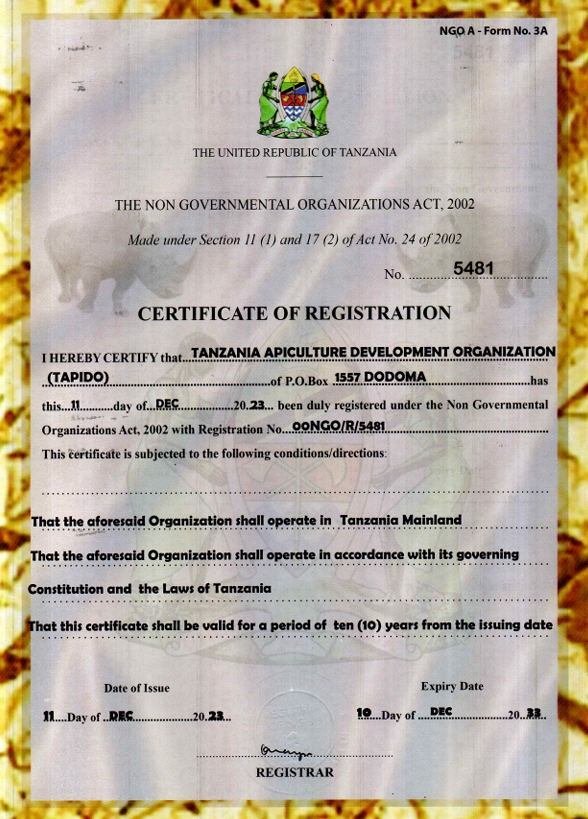
Is non – profit organizations (NGO) registered under Non governmental act.2002 with registration no . 00NGO/R/5481 dated the 11th December 2023 work with beekeeping and environment aspects to enhance sustainability.


What We Do

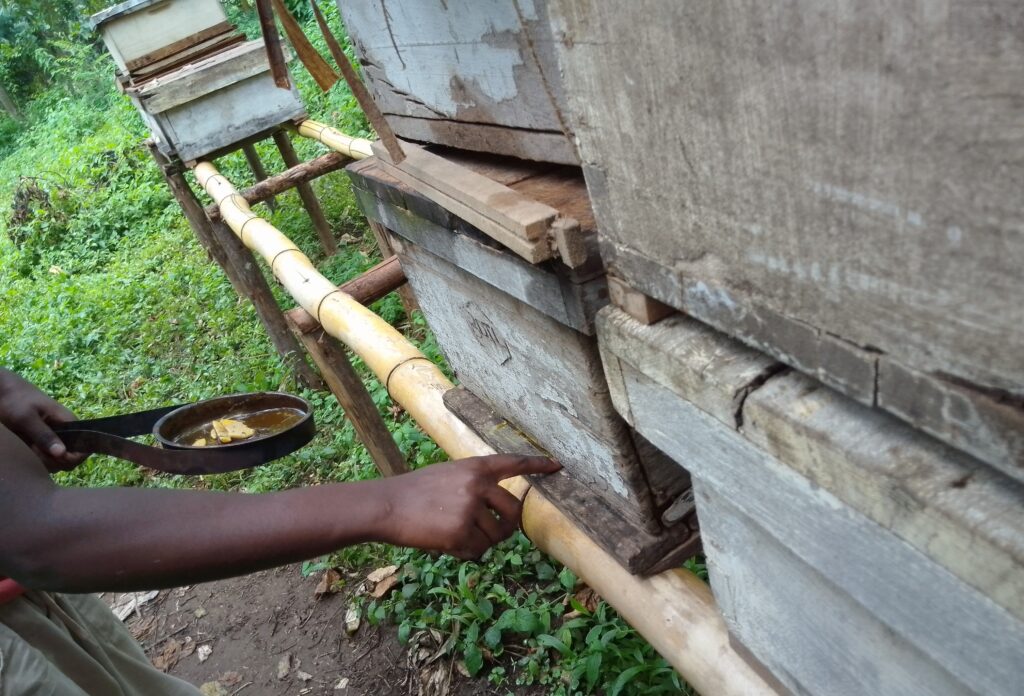
TAPIDO engages in a variety of activities aimed at promoting sustainable beekeeping and supporting local communities..

tapido0

Education and Training

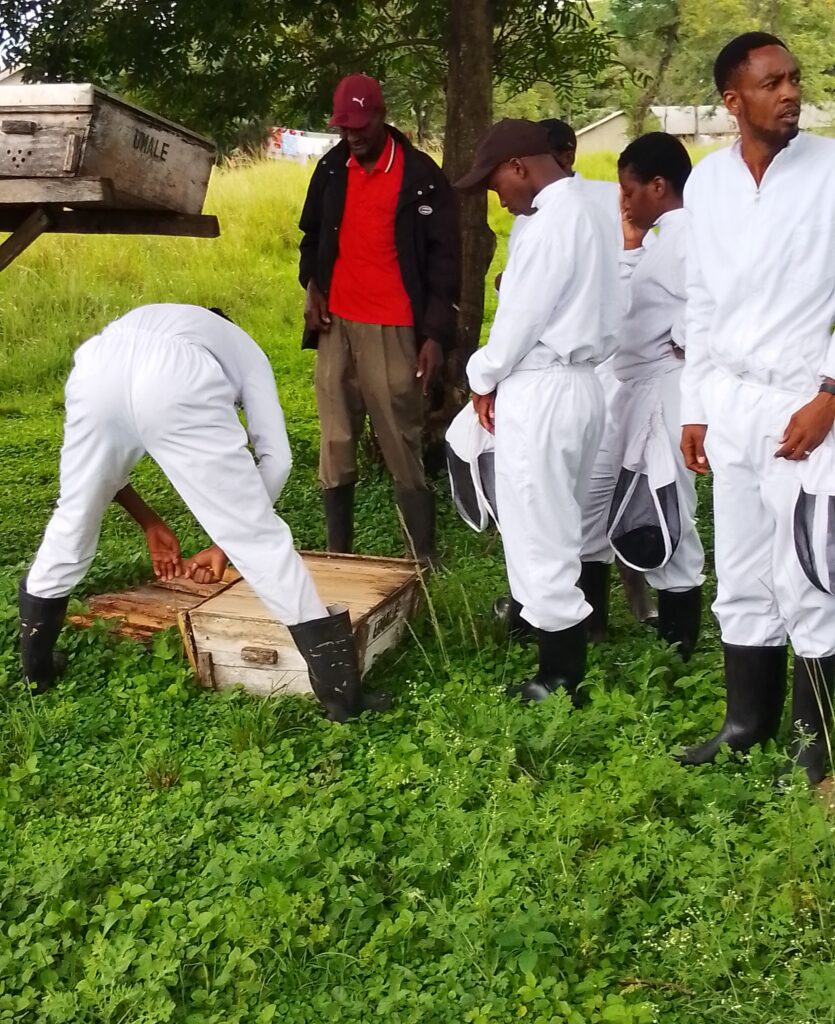
Workshops and Seminars: We conduct educational programs for aspiring and existing beekeepers, covering topics such as hive management, bee biology, and sustainable practices.

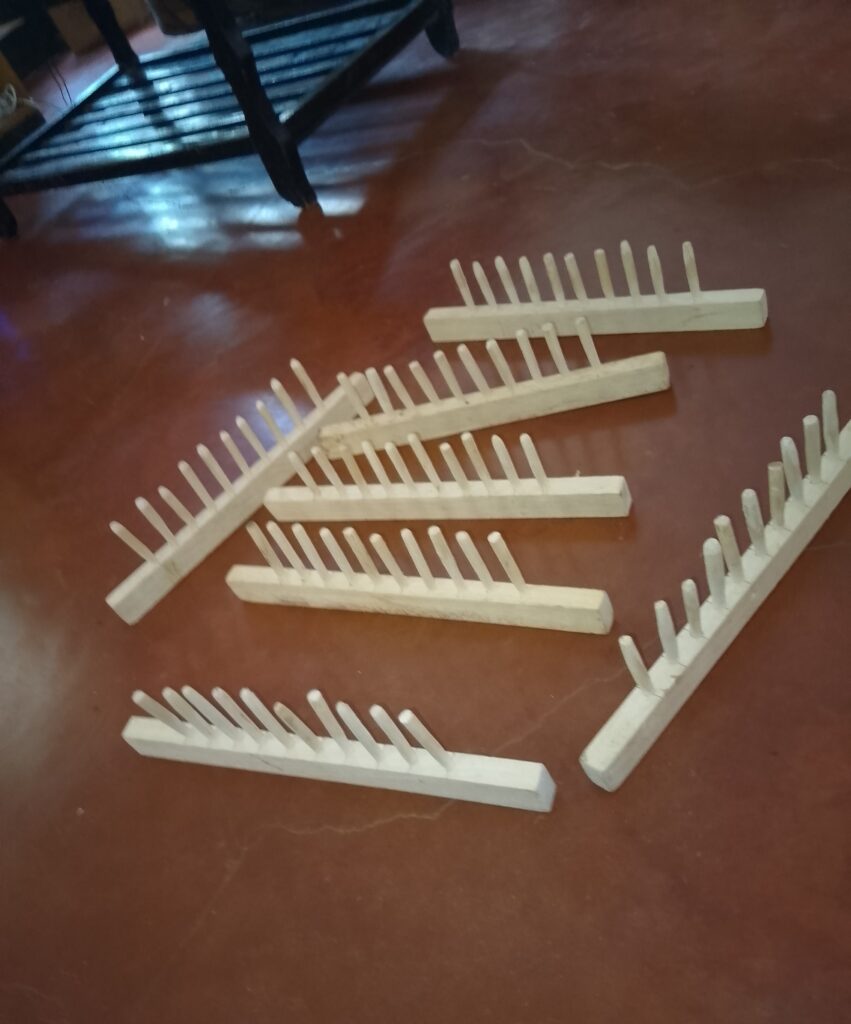
Resource Development: We create and distribute educational materials, including guides and manuals, to help beekeepers improve their skills and knowledge.

Read more →

tapido2

Community Engagement

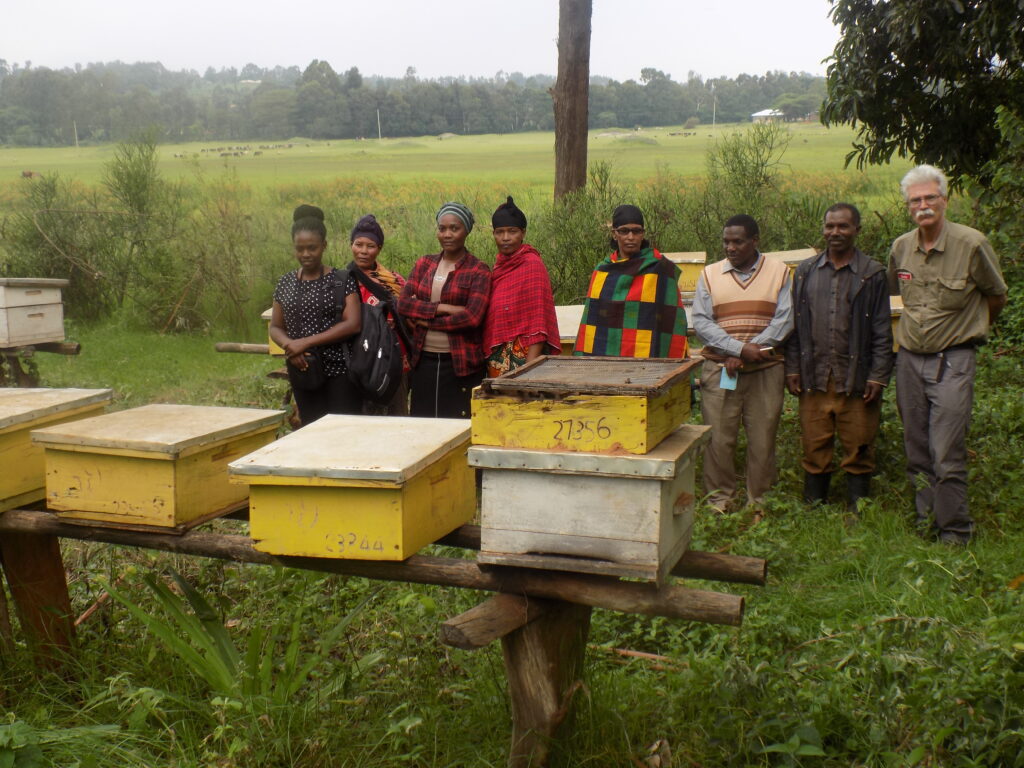
Local Beekeeping Groups: We facilitate the formation of local beekeeping associations to foster collaboration and support among beekeepers.

Outreach Programs: We engage with schools and community organizations to raise awareness about the importance of bees and the role of beekeeping in environmental conservation.

Read more →

tapido1

Support and Resources

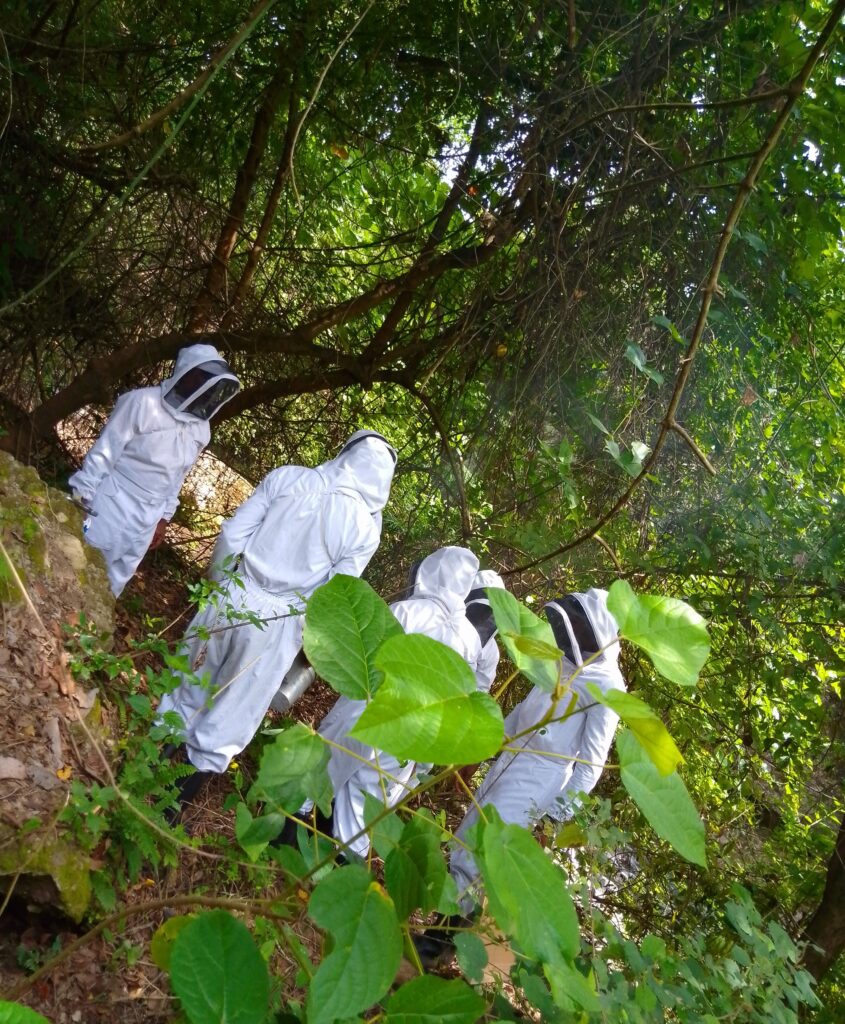
Access to Equipment: We provide beekeepers with access to necessary equipment and resources, including hives, tools, and protective gear.

Financial Assistance: We offer grants and funding opportunities to support beekeeping initiatives, especially for marginalized communities.

Read more →


Our Mission & Values

We aspire to build a global community of beekeepers who are equipped with the knowledge and resources to protect and nurture bee populations. Through our initiatives, we aim to inspire a new generation of beekeepers who understand the importance of bees in our food systems and the environment, ensuring a thriving planet for future generations.

dscn0975

Cultivating Bees, Cultivating Prosperity!

Explore Our Activities

tapido56

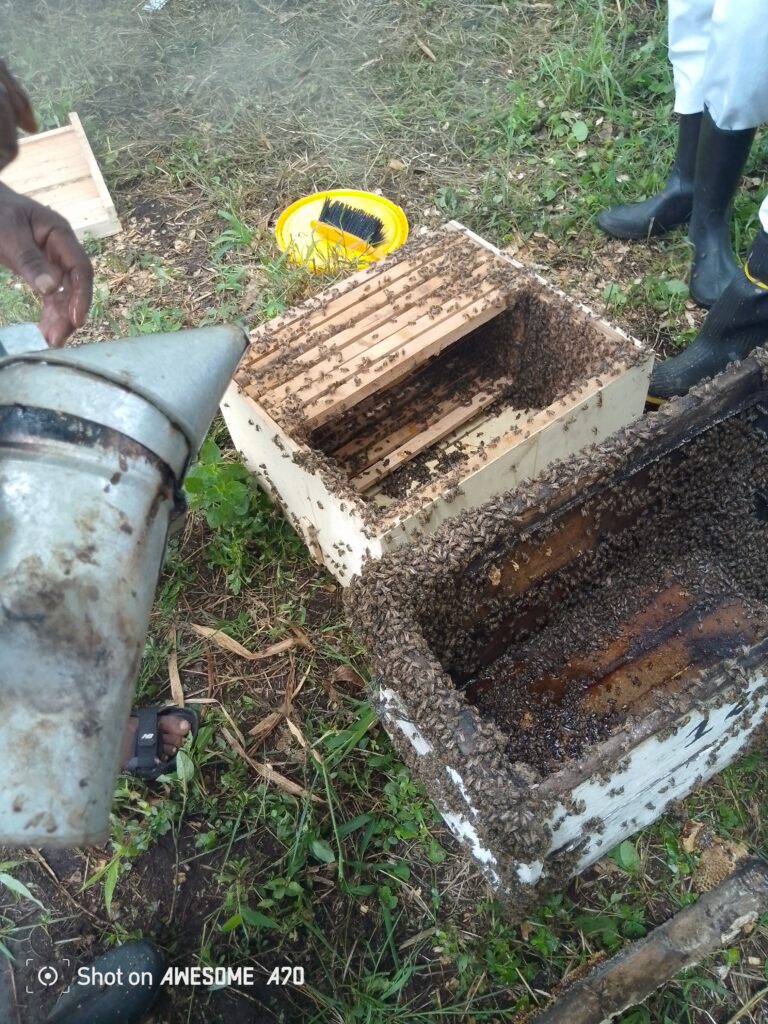
Regular inspections are crucial. Beekeepers check for signs of disease, pests, and the overall health of the colony. This includes looking for the queen, assessing brood patterns, and ensuring that the bees have enough food.Depending on the season and availability of natural forage, beekeepers may need to supplement the bees’ diet with sugar syrup or pollen substitutes. This is especially important during early spring or late fall when natural food sources are scarce.
tapido89

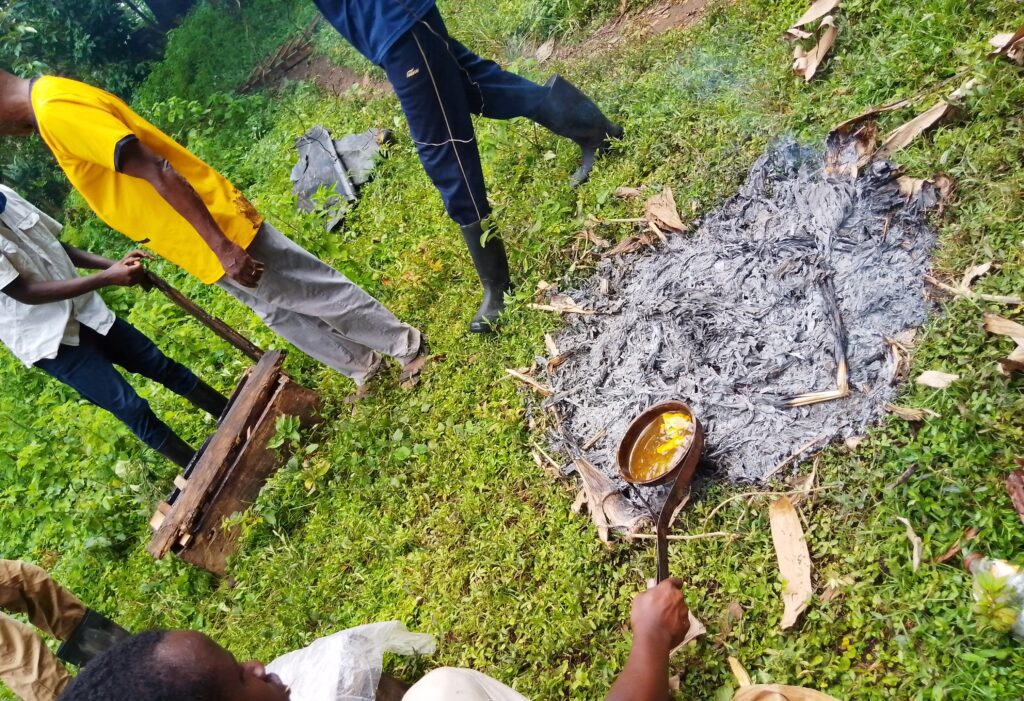
Encouraging bees to build comb is essential for honey production. Beekeepers may provide foundation frames to help guide the bees in their comb-building efforts. Monitoring the temperature and humidity within the hive can also aid in this process.Beekeepers must be vigilant about swarm prevention. This involves managing the space within the hive and ensuring that the queen has room to lay eggs. If a swarm is detected, beekeepers may need to take action to capture it.